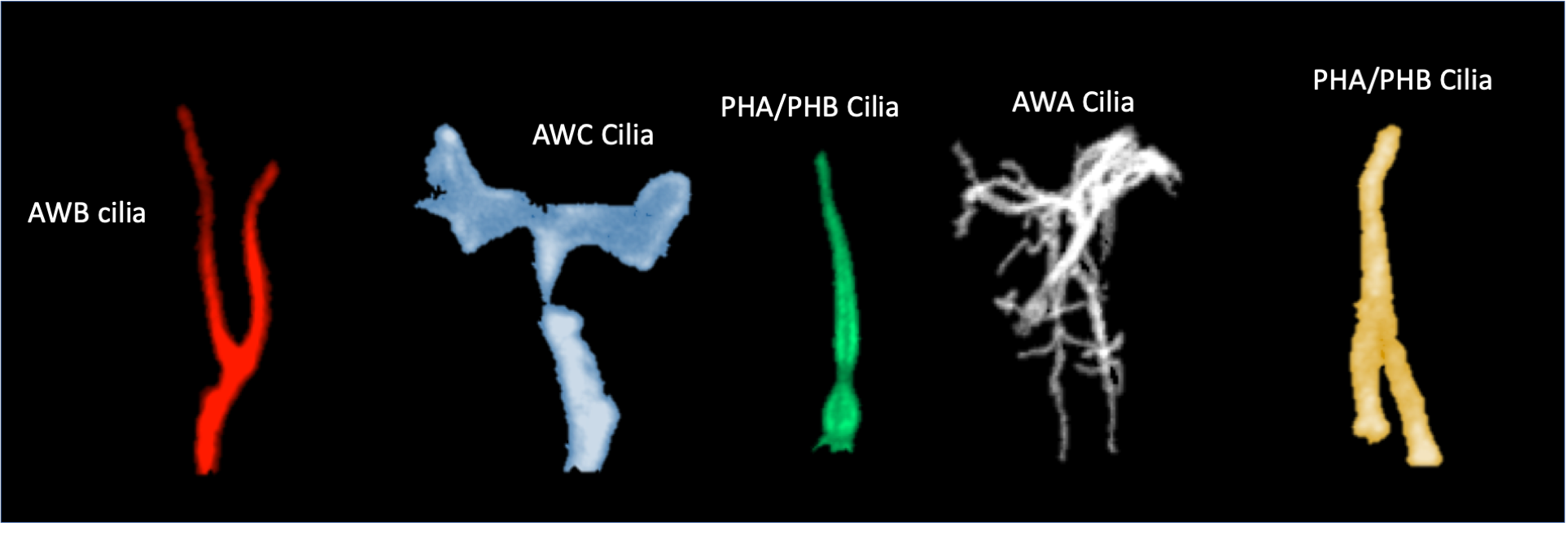
The Kaplan Lab studies the molecular basis of ciliopathies and rare genetic diseases.
We combine C. elegans genetics, CRISPR/Cas9, patient variant analysis, and open bioinformatics to connect gene mutations to cellular dysfunction and ultimately to patient phenotypes.
Why it matters
Rare diseases. Real impact.
From gene to patient
Ciliopathies affect an estimated 1 in 1,000 individuals, causing kidney disease, blindness, neurological disorders, and skeletal abnormalities. We identify causative mutations and model their effects from the molecular level up.
Functional validation
Variants of uncertain significance are a major clinical bottleneck. Our C. elegans platform and bioinformatics tools allow rapid, scalable functional testing to distinguish disease-causing from benign variants.
Open science tools
We build and freely share CiliaHub, CiliaAtlas, CilioGenics, and CiliaMiner — databases and predictive tools used by researchers worldwide to accelerate ciliopathy and rare disease research.
Research pipeline
From mutation to mechanism
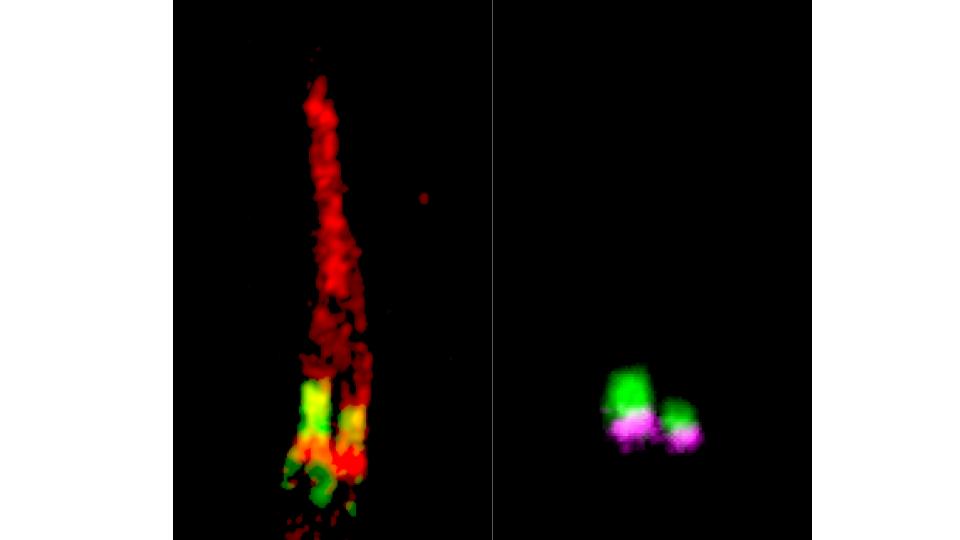 Current Research
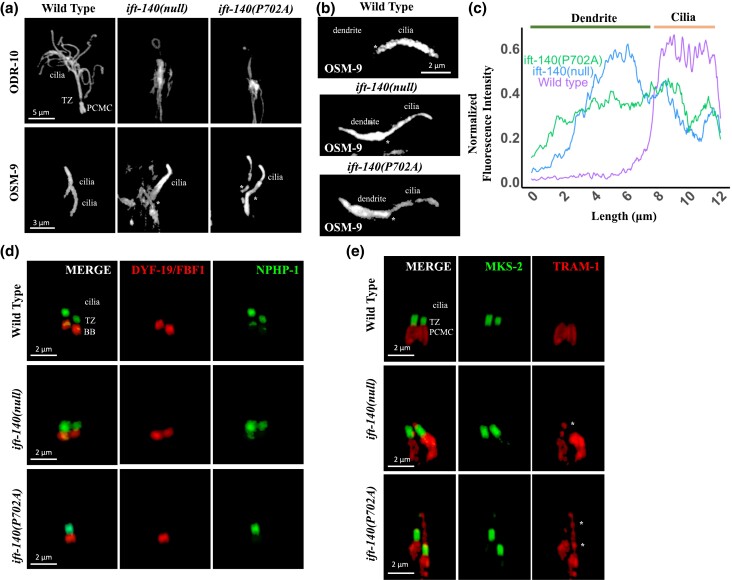 Publications
 Contact Us